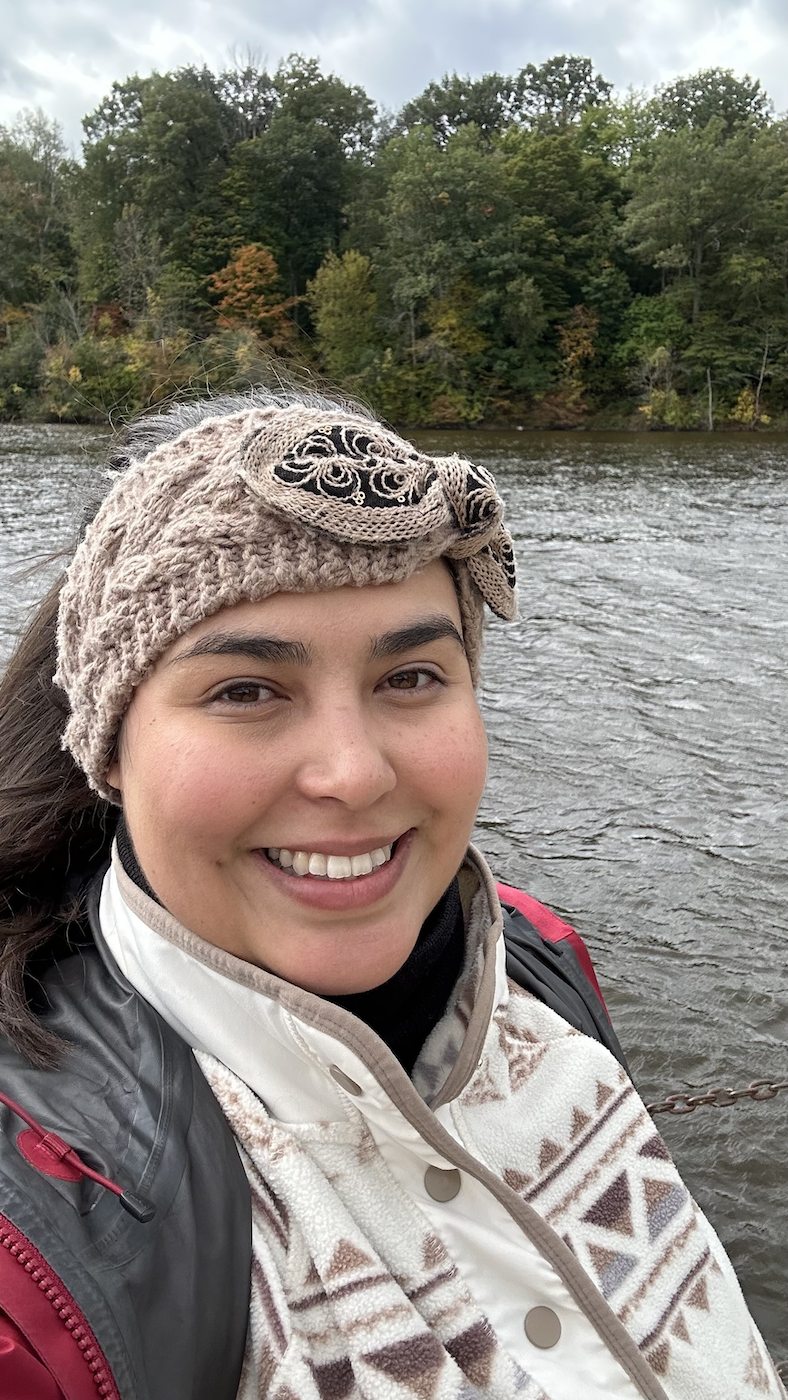
Educator profile: Ingride Duval’s first three years teaching adult literacy
Name: Ingride Duval Role: Literacy Coordinator Program: Hamilton Native Learning Centre Organization: Hamilton Regional Indian Centre Years working as an adult literacy educator: 3
When Ingride Duval joined the Hamilton Native Learning Centre at the Hamilton Regional Indian Centre in 2023, she had never before worked in adult literacy. As the literacy coordinator, Ingride began leading a staff team of two, with responsibility for all aspects of the program, including teaching, volunteer recruitment, outreach, administration and more.
In this profile, Ingride shares what drew her to the role, how she acquired the necessary knowledge and skills, how digital technology shapes her work and the lessons she learned in her first three years.
Finding her place in adult literacy education: Q&A with Ingride Duval
Q: You came to adult literacy from youth programming. What drew you to this role?
A: After leaving my hometown of Montreal, I worked in youth and community programs at a Friendship Centre in Nunavut. That experience inspired me to want to be an ally who supports learning and helps people know and be proud of their culture.
I later moved to Hamilton and was still working with youth when this opportunity became available. It was a chance to channel my background in education and social work into helping adults in Hamilton’s urban Indigenous community pursue their employment, apprenticeship, post-secondary education and independence goals.
Q: How has working with adults been different?
A: I work with adult learners of all ages, from 19 to 83. I support people who have been in the workforce, raised families, stepped away from school or have other interesting life experiences. Anyone who comes to adult education is seeking growth, positivity, knowledge and a second chance. I learn a lot from my students.
Q: What have been your biggest learning curves during your first three years as a new literacy practitioner?
A: First, I needed to get myself trained as a literacy practitioner and learn how an adult literacy program is supposed to run. As an additional challenge, I arrived during a transition from pandemic-era online programming to in-person delivery, which meant rebuilding the program and regaining people’s trust.
Also, program administration is not my forte, so I had much to learn about that, including the technologies. One of my biggest challenges was learning the CaMS system to track learner information, goals and milestones.
Later, I took parental leave, and when I returned in March 2026, I felt the anxiety and stress of yet another transition. How will the students feel about me coming back? How has technology — and everything else — changed? I decided to start as an observer, motivated to get better at what I do so I could better help my students.
Q: Where have you turned for support?
A: When you enter the world of adult literacy, there are many things you can only learn from someone who has worked in the field for a long time. I started with Miss Linda Jenkins, my assistant and one of our teacher tutors, who has been in adult education for 30 years and seen the field transform.
I also began reaching out to my very generous peers at different programs, including the Ontario Native Literacy Coalition, Hamilton Literacy Coalition, Niagara West Adult Learning Centre and other individual Indigenous literacy coordinators. When it comes to learning technology, having someone beside you to demonstrate makes a difference, and the Hamilton Literacy Coalition team was a big help as I learned CaMS.
From the beginning, the AlphaPlus team has helped me think about how I can use free digital tools to make my life easier and stay organized, through their coaching, training events and resources.
Q: In your experience, how is teaching and learning being shaped by digital technology?
A: Everyone who comes to our literacy program ends up developing digital skills. Learners preparing for university, college or employment need to know how to use computers. Those returning for a high school diploma may need a digital skills upgrade because technology has changed since they left school. Other learners want to know how to stay safe online.
Artificial intelligence (AI) is also shaping learning because it’s everywhere. My responsibility is to communicate that new technologies can make learners’ lives easier, but ultimately they have a choice about what they use.
Q: What gives you hope about where this field is going?
A: For both educators and learners, we can bring our curiosity about existing, evolving and emerging technologies. Curiosity can be contagious! Educators have an opportunity to nurture curiosity about platforms, tools and apps that can help our students adapt their learning every day and feel comfortable doing it.
Q: Looking back on your first three years, what would you share with a peer who is just entering the adult literacy field?
A: Put into practice what you tell your students; go for it, believe in yourself, keep asking questions and don’t be shy about admitting that you don’t know everything. People in this field will support you. The adult literacy family is so generous and warm, so don’t be shy about knocking on different doors.
Stay curious. I think that’s an essential trait of an adult literacy practitioner.
Would you like to share your story as a new — or experienced — adult literacy educator? Contact us to learn how.
Back
Share:
15 October 2026
Stay
Informed
Subscribe to our email updates to learn what’s next for AlphaPlus and for digital technology in adult literacy education.