Delivered on Tuesday, September 30, 2025
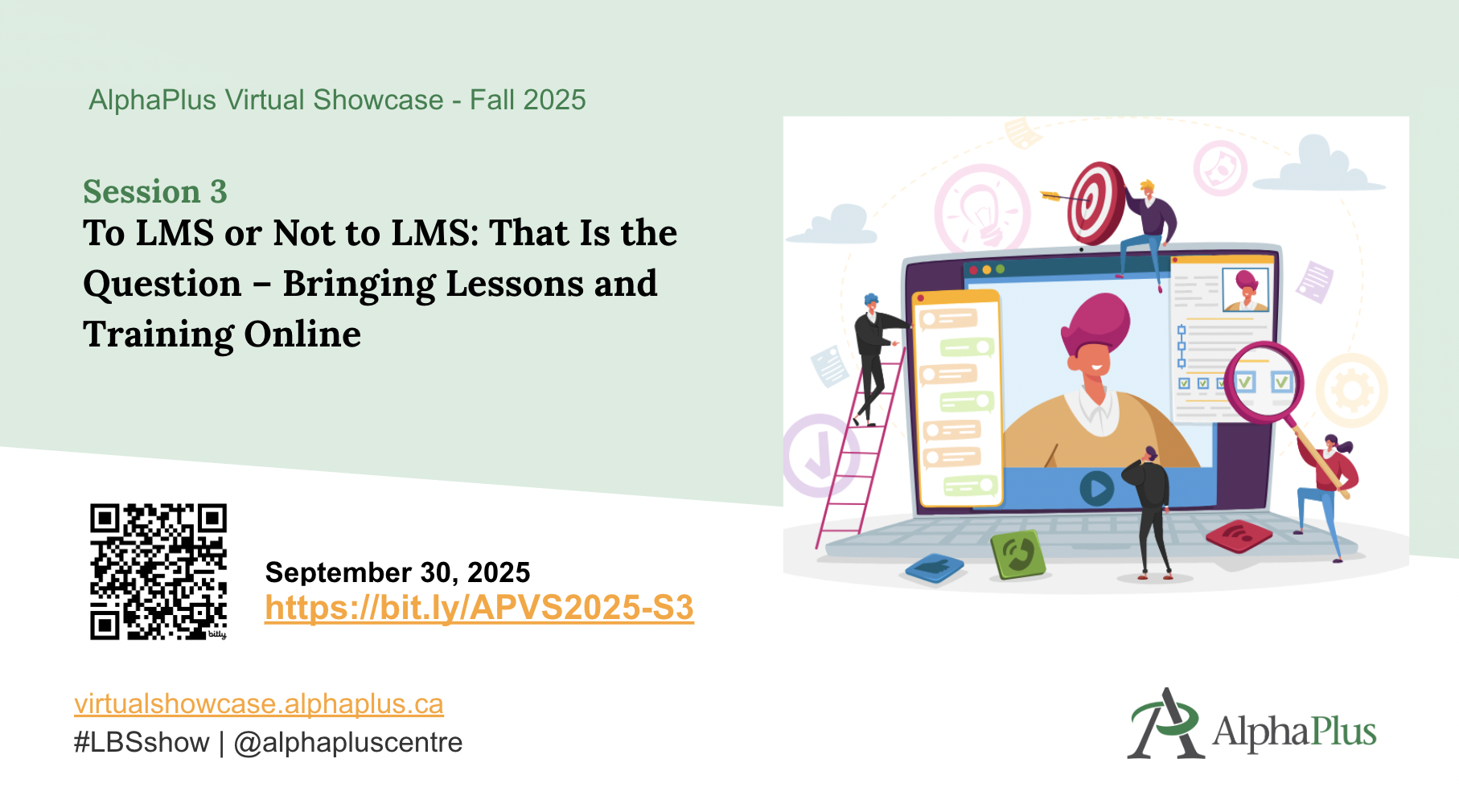
The COVID-19 pandemic pushed many literacy programs to rapidly shift their lessons and training into online environments, sparking a surge in interest around Learning Management Systems (LMS). But where do we stand now?
During the session guests from the literacy community shared the tools and platforms that have helped them make their content accessible to learners, tutors, and staff, discussed what’s worked (and what hasn’t), and offered practical tips and insights for programs considering—or reconsidering—their digital strategy.
PRESENTATION SLIDES
VIDEO RECORDINGS
In English, Speaker view only.
With ASL interpretation
PRESENTERS

Randie is a Program Manager for Almaguin Adult Learning Centre (AALC), a community based LBS agency with 3 centres serving 17 small communities across the Almaguin Highlands. She joined AALC in 2010 as a literacy instructor and has been committed to life long learning and meeting learners where they are for the last 15 years.
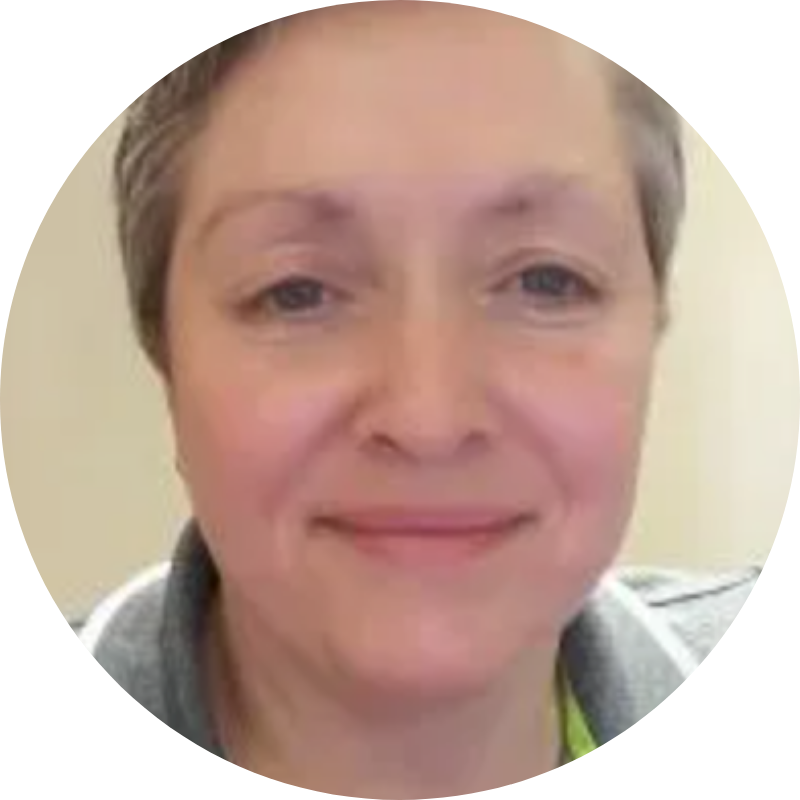
Lisa McArthur has been working as an adult educator since 2003 in a variety of capacities. They include, but are not limited to, being a certified educational skills assessor, a family literacy facilitator and certified Clear Writing consultant. Lisa has sat on a number of community advisory committees and has evaluated numerous literacy projects.

Stephanie has been teaching in post-secondary and Academic Upgrading for close to 15 years. She has a Master of Science, a Bachelor of Education and is a member of the Ontario College of Teachers. She is an avid curriculum developer for online, hybrid and in person courses in all subject areas.

Lea Roque is a passionate educator and early adopter of technology, with a strong background in adult education, engineering design, and tech training. She specializes in designing engaging, learner-centered curriculum and has taught in LBS, post-secondary, and corporate settings. Known for her supportive approach and enthusiasm for digital skill-building, Lea thrives on helping learners reach their “Aha!” moments that spark confidence and curiosity.

Althea Balmes (she/ they) co-creates in person and digital projects at the intersection of visual storytelling, UX design and learner-centered education. Althea has a background in community adult literacy previously working at Parkdale Project Read and with West TO Collaborative, a collective of five different adult literacy organizations across Toronto west end providing tutor training program.
www.altheabalmes.com
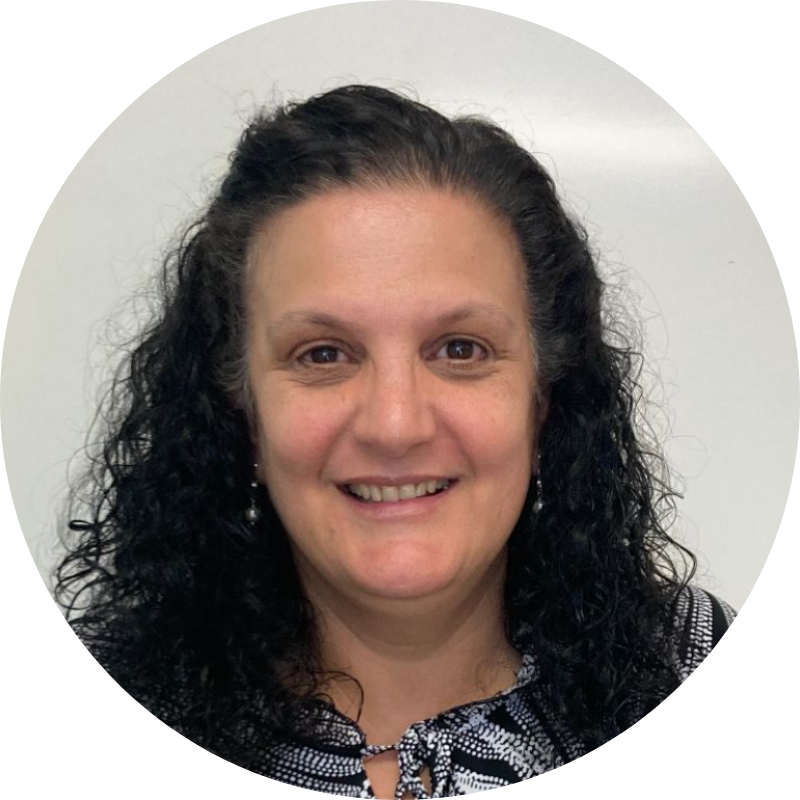
Tina is the LBS Lead Instructor at Niagara Catholic District School Board. She is involved in classroom/hybrid teaching and administrative duties at St. Catharines & Niagara Falls locations.
Explore the The Virtual Showcase Collection to see what happened in past sessions.
Delivered on Tuesaday, June 3, 2025
With high turnover, effective succession, contingency and onboarding documentation/planning are crucial for the sustainability and resilience of LBS programs.
During the session, guests from the literacy community discussed what they have been doing and shared tools and examples to help participants develop practical file management systems, documentation and plans to ensure smoother operations, staff transitions and the continuity of programs in the face of unexpected challenges.
Insightful tips and best practices were shared to help participants create robust organizational documentation/plans and processes, and provide space to share various examples and ideas.
PRESENTATION SLIDES

VIDEO RECORDING
SHARED RESOURCES
Orientation to Literacy and Basic Skills for Regional Literacy Networks from Literacy Link Eastern Ontario
Hiring in Adult Training from Learning Ontario Central South
Human Resources and Succession Planning Toolkits
Living Manual Example (Google Doc)
Living Manual Example (Force Copy)
PRESENTERS
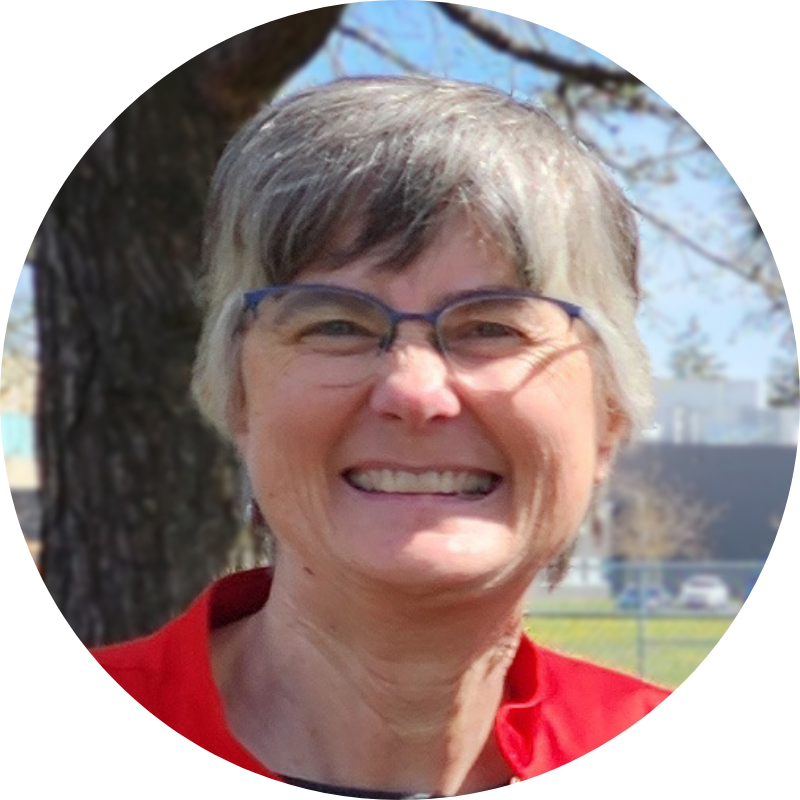
Carrie Wakeford has been the Executive Director of Learning Ontario Central South (LOCS) for the past 5 years. Prior to coming to LOCS, Carrie was self employed designing and facilitating in person and online training. She also completed research and managed projects for the ministry and for LBS, employment organizations and the Workforce Development Board. Carrie also provided individual career counselling and taught in the Career Development Practitioner program at Conestoga College. In 2019 Carrie won the ‘Outstanding Career Professional Award’ with Career Professionals of Canada. Prior to that she worked in computer training and she managed an employment counselling organization.

Brandy is the Executive Director at Literacy Link Eastern Ontario (LLEO) and she still considers herself new in this position after 2 years. Brandy joined the literacy field after working in libraries for many years including Kingston Frontenac Public Library, Queen’s University Teacher Resource Centre and Brockville Public Library. Brandy is dedicated to social justice, equity, diversity and inclusion. She has received an Ally Award for her work with Brockville Pride and recognition from the Every Kid in Our Community committee as a Youth Asset Builder. She enjoys spending time with her family and cats, and reading is her sport.

Melanie is the Program Coordinator and Academic Advisor for Academic Upgrading at Algonquin College Pembroke Campus. She has worked in various spaces including twenty years in early literacy, 5 years in Employment Services and Ontario Works and the last 5 years in Academic Upgrading. If not spending time in nature with her partner, Josh, she is probably training her cats to walk on a leash … yes, really. Melanie believes that, like chefs, ‘slow is smooth and smooth is fast’ (Work Clean by Dan Charnas) and works to bring processes that will create smoothness for all team members into her daily work.

Alan has been the Executive Director of AlphaPlus since 2015, but his involvement with the organization dates to its founding. As a leader in the literacy field with comprehensive knowledge of the affordances and limitations of educational and administrative uses of technology, Alan advances an understanding of information literacy and blended learning that moves the field forward. He guides the team’s work with adult learning programs to understand, research, plan and integrate emerging digital tools to meet the needs of staff and learners effectively and creatively.
Bio coming soon.
Sara King from Northern College – Moosonee Campus, Moose Factory, Fort Albany, Kashechewan & Attawapiskat Access Centres and Janet Oettgen from Niagara West Adult Learning Centre share how they are using using social media to effectively attract, engage, teach and stay in touch with their learners and partners.
Quick links/tips and additional resources:

Presenters from two programs share how they are using Microsoft OneNote to organize and manage learner files. Sara King from Northern College and Christa Porter from Gateway Centre for Learning demonstrate ways OneNote helps them keep all their learner forms and files in one place making it easy to access, replicate and share with others.
Sara and Christa shared some resources with us:
- Folder with exported OneNote Notebooks
Download the files to your OneDrive (Documents) and try to open in OneNote. MS help instructions
Tip: Christa used Windows 10 option to open the files.
If that fails, contact Sara and/or Christa to share their OneNote notebooks with you via links.
Are you wondering whether your next technology purchases should be laptops or tablets?
What operating system (Apple, Android, Windows) would work best in your program?
Should you buy a new device or would refurbished devices meet all of your needs in both the short and long term?
Purchasing devices is an expensive endeavour, and there’s a myriad of options to choose from. AlphaPlus can help you plan and choose devices that best suit your needs and fit into your budget.
We can:
- Provide you with information about the attributes of each device.
- Guide you through the decision-making process to ensure you find the solution that best meets your circumstances and needs.
- Support you as you learn how to create pages and use the management features that work best for the learners, staff and volunteers in your program.
A website is a great way to communicate with volunteers, learners and others in your community about what you’re doing and how to access your program, process some of the administration forms, and curate resource collections for staff, learners and volunteers.
Here are some sites that AlphaPlus coaches have supported:
- TLG Learner Resources, The Literacy Group of Waterloo Region
- Learning Opportunities Program, YMCA (Toronto)
- Metro Toronto Movement for Literacy
- The Orillia and District Literacy Council
- The Learning Co-Op, St. Joseph Adult Education Campus, Nipissing-Parry Sound Catholic District School Board
AlphaPlus can help you choose a website builder and guide you through the website planning and creation process.
We can:
- Provide you with information about the attributes of each website builder.
- Guide you through the decision-making process to ensure you find the solution that best meets your circumstances and needs.
- Support you as you learn how to create pages and use the management features that work best for the learners, staff and volunteers in your program.
Programs are using social media to communicate with volunteers, learners and others in their communities about what they’re doing and how to access their programs and to make connections with adult educators in other fields and jurisdictions.
Which platform or platforms are best for your program?
Facebook? Instagram? LinkedIn? Twitter? TikTok?
AlphaPlus can help you choose and learn about social media for your program.
We can:
- Provide you with information about the attributes of each platform.
- Guide you through the decision-making process to ensure you find the solution that best meets your circumstances and needs.
- Support you as you learn how to use the features that work best for the learners, staff and volunteers in your program.
Programs are using video conferencing tools for meetings, intake and assessment, tutor training, professional learning, instruction and collaborating with learners and much more.
Which tool is best for your program? Zoom? Google Meet? Microsoft Teams? Webex? Lifesize? UberConference? Skype? Facebook Live?
AlphaPlus can help you choose a video conferencing tool or tools that will work best for your program and your instructors.
We can:
- Provide you with information about the attributes of each tool.
- Guide you through the decision-making process to ensure you find the solution that best meets your circumstances and needs.
- Support you as you learn how to use the features that work best for the learners, staff and volunteers in your program.
Here are some examples of how AlphaPlus coaches work with programs on finding solutions:
- Simcoe County District School Board Adult Learning
- The Bob Rumball Canadian Centre of Excellence for the Deaf Adult Education LBS Program
- Finding an innovative way to deliver course content online, with a coach by your side
Do you have access to Google Workspace or Microsoft 365 and are you wondering how to take advantage of all the features?
AlphaPlus can help you choose and learn about a productivity suite that will work best for your program.
We can:
- Provide you with information about the attributes of each suite.
- Guide you through the decision-making process to ensure you find the solution that best meets your circumstances and needs.
- Support you as you learn how to use the features that work best for the learners, staff and volunteers in your program.
Here are some examples of how AlphaPlus coaches work with programs on finding solutions:
- Simcoe County District School Board Adult Learning
- The Bob Rumball Canadian Centre of Excellence for the Deaf Adult Education LBS Program
- Finding an innovative way to deliver course content online, with a coach by your side
Presenters from three programs share how they digitize and organize activities and learner files.